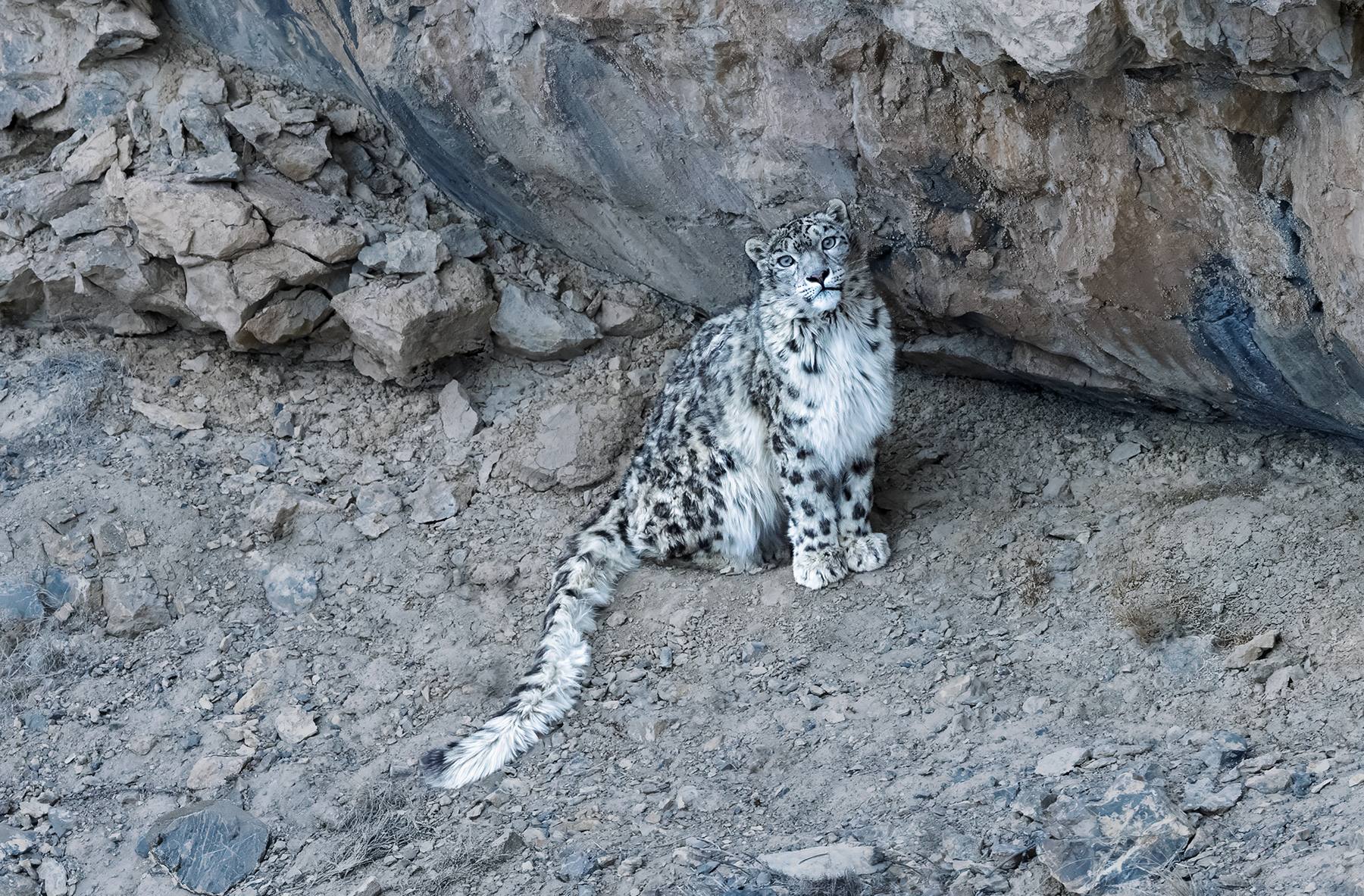
Spiti Valley: Land of the Snow Leopard
High in Himachal Pradesh's Trans-Himalayan belt, Spiti Valley is a cold desert of bare rock, thin air, and enormous skies — and one of the most reliable places on Earth to see a wild snow leopard. Add blue sheep, ibex, red fox, and some remarkable high-altitude birdlife, and Spiti earns its place as one of India's genuine wildlife destinations, not just a scenic overland drive.
The Snow Leopard
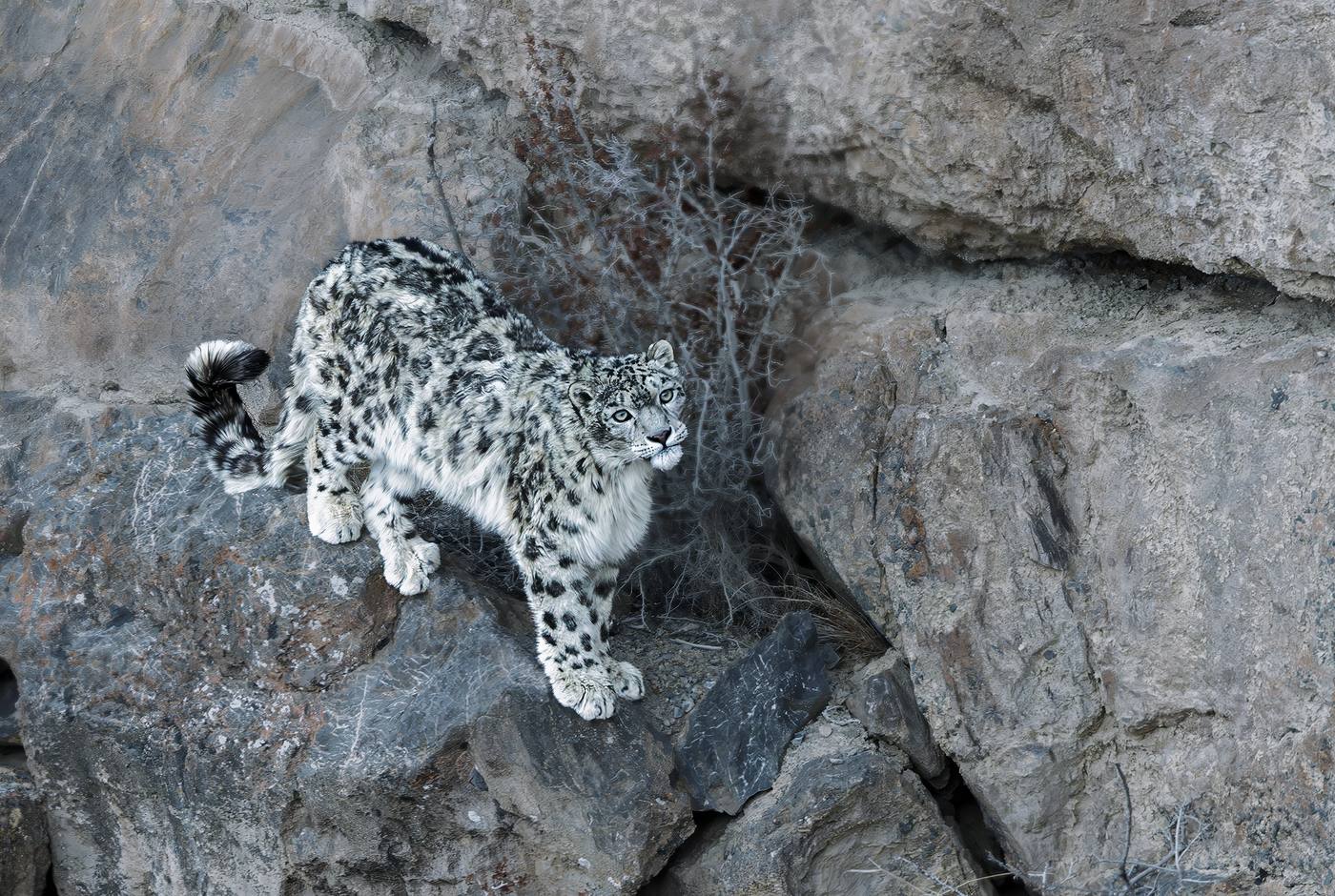
Snow Leopard, Spiti Valley
The "Ghost of the Mountains"
Spend a few mornings glassing Kibber's slopes waiting for a flash of grey against grey rock, and you'll understand the nickname. Kibber Wildlife Sanctuary, a short drive from Kaza, is one of the most consistent snow leopard viewing sites anywhere, rivalling Ladakh and parts of Mongolia. Sightings cluster around Kibber–Chicham, the slopes near Kee and Gete, and the plateaux around Langza and Komic — terrain as dramatic to photograph as the cat itself.
A snow leopard sighting in Spiti isn't luck so much as patience rewarded — hours of scanning, rewarded by seconds of pure adrenaline.
The Rest of the Cast
The snow leopard isn't hunting alone up here. Blue sheep, or bharal, graze the slopes in herds — they're the snow leopard's primary prey, and wherever bharal numbers are good, you're in good cat country.
Blue Sheep (Bharal)
The staple prey species across Spiti's slopes, grazing in herds through the cold desert terrain — where you find good bharal numbers, you're in good snow leopard country.
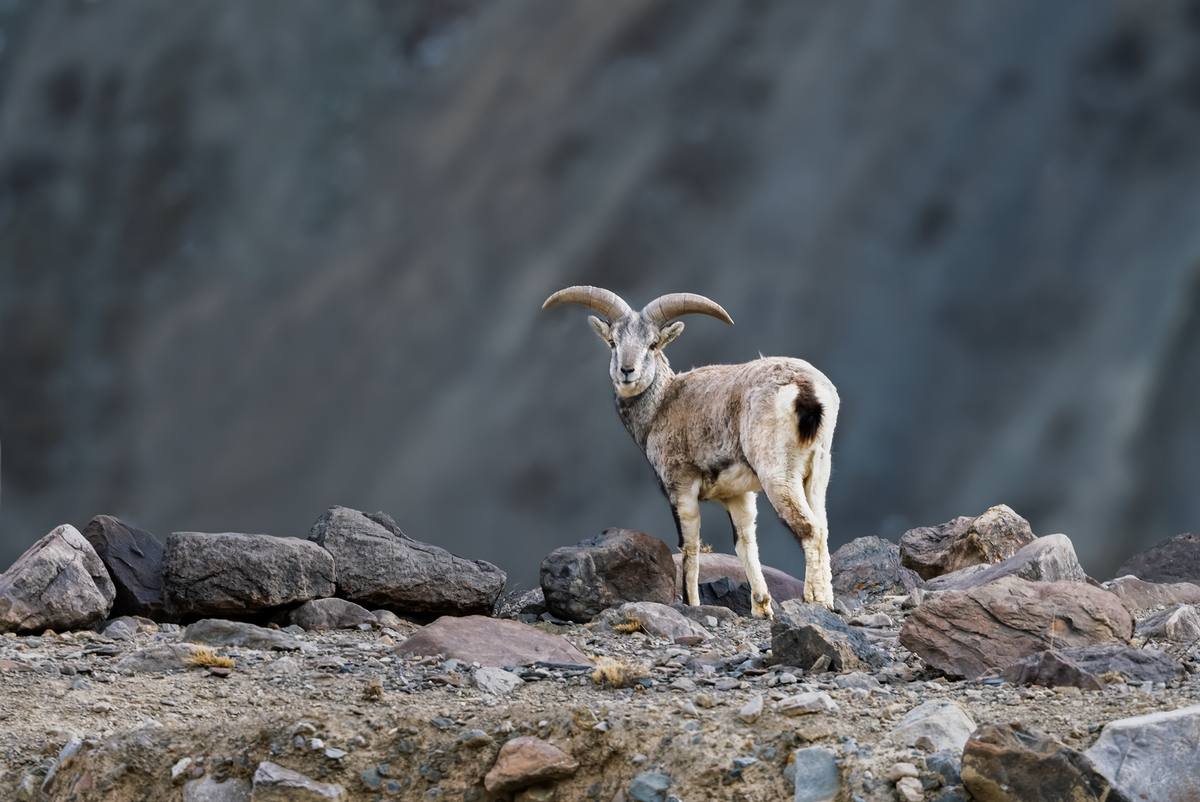
Blue Sheep (Bharal)
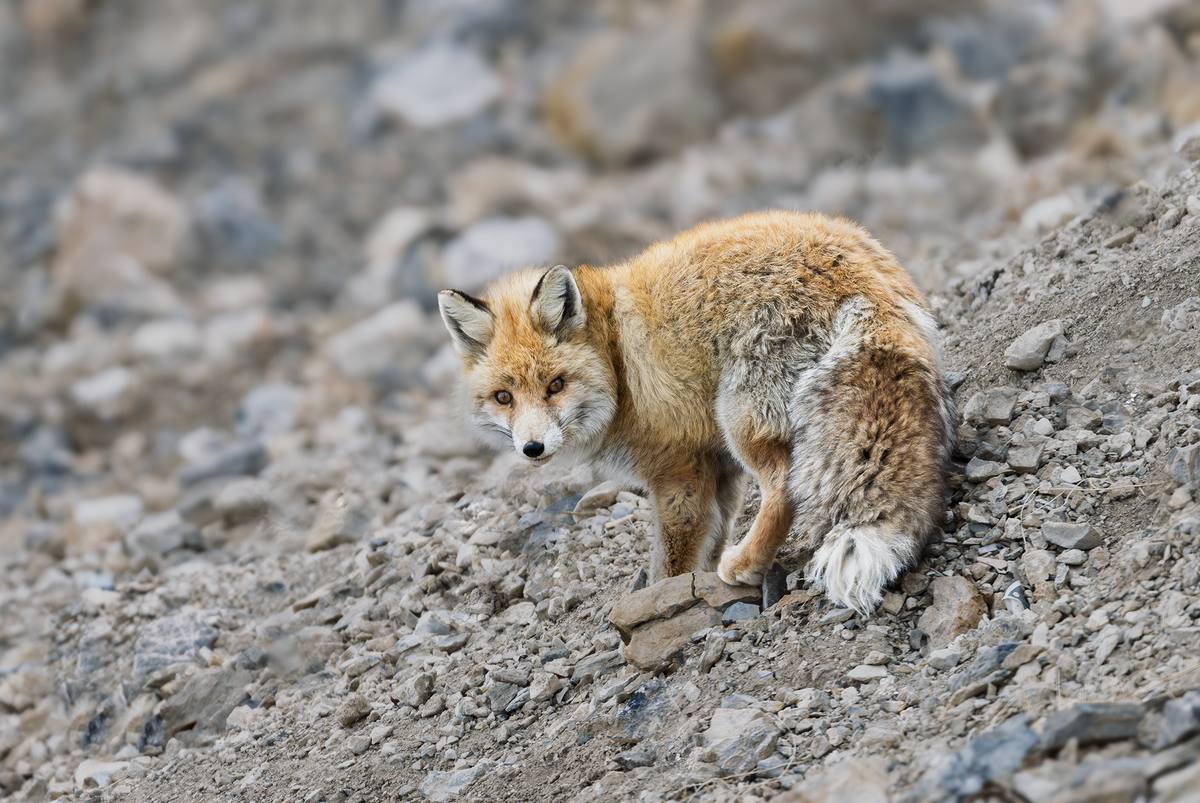
Red Fox
Red Fox
Common but never guaranteed — red fox move through the same slopes as the leopards, often spotted at dawn working the scree for pika and marmot.
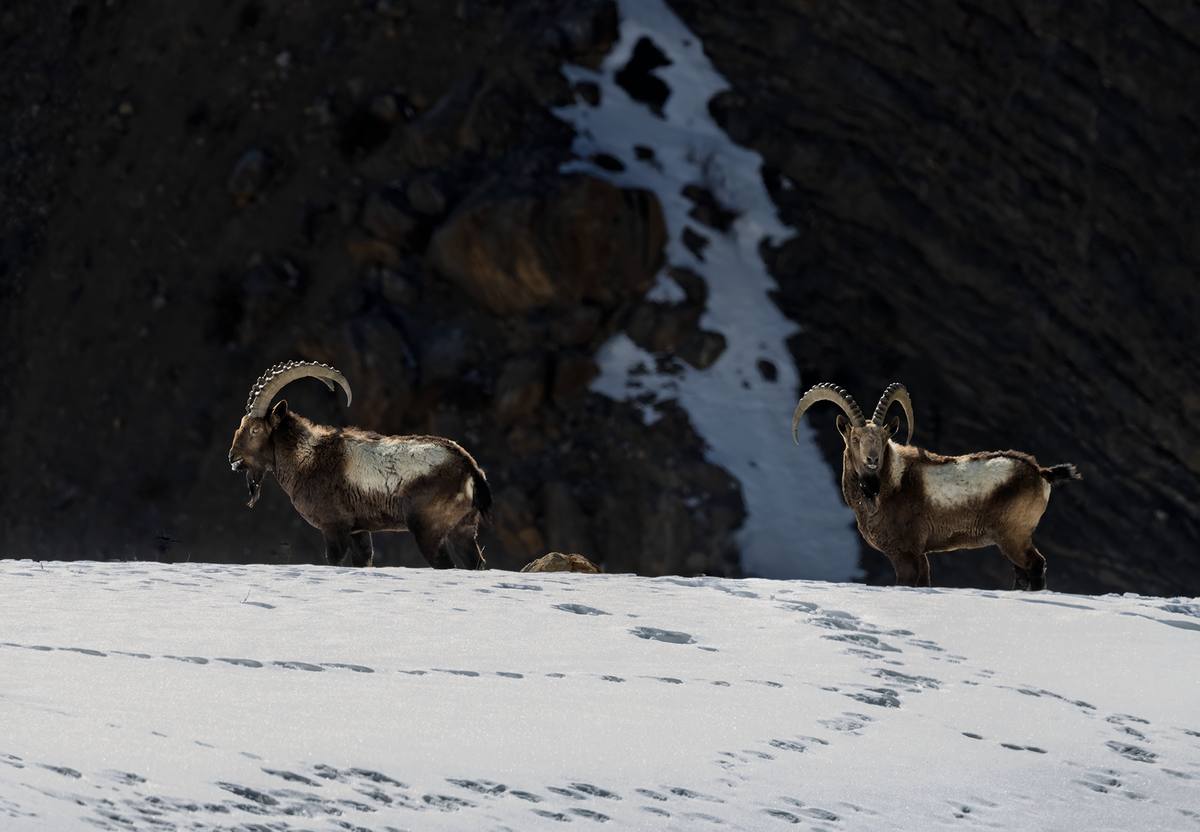
Himalayan Ibex
Larger and more heavily built than bharal, with those unmistakable ridged, scimitar horns — ibex favour the steeper, snow-holding faces above the valley floor.
Himalayan Ibex
Riding the Thermals
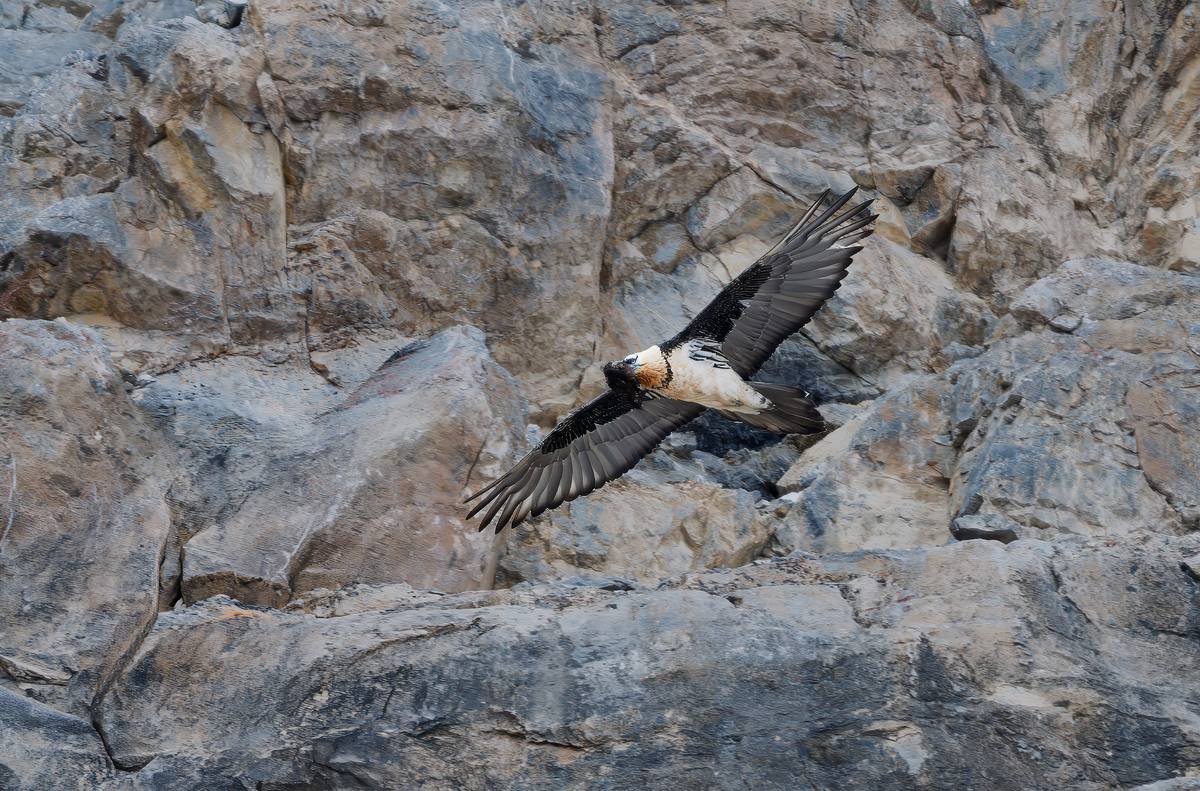
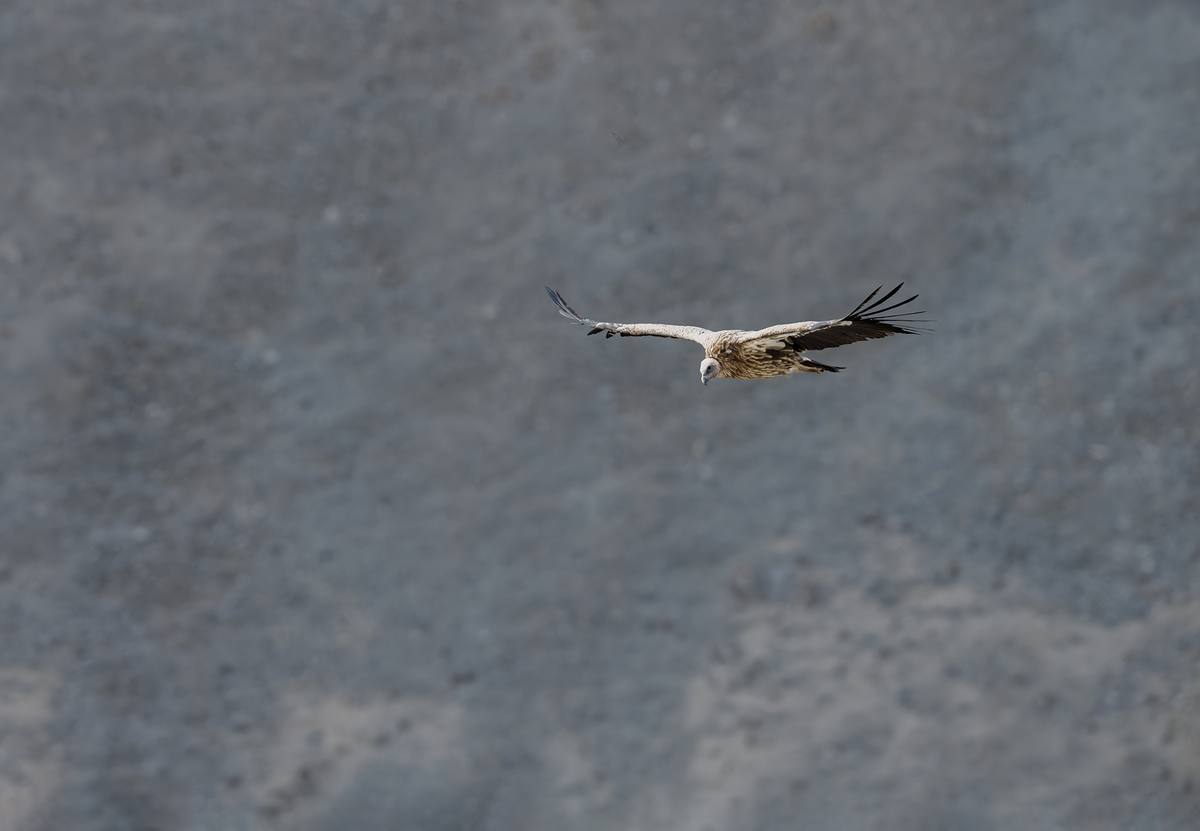
Two of the valley's most striking raptors share these cliffs — easy to tell apart once you know what to look for.
Lammergeier (Bearded Vulture)
Himalayan Griffon
High-Altitude Birdlife
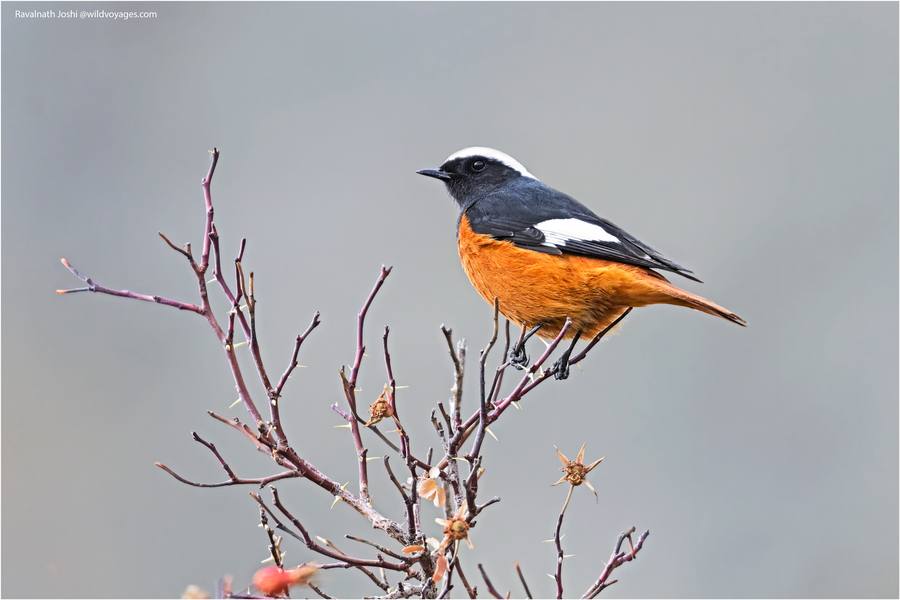
Kibber alone has 64 bird species logged on eBird — the smaller specialists reward a slower pace and a closer look at the ground and scrub around you.
White-winged Redstart
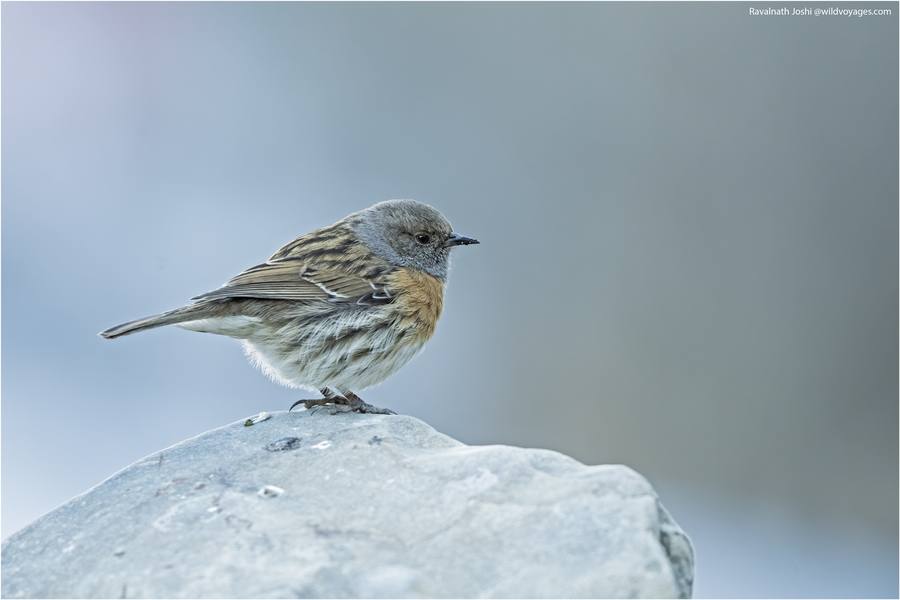
Robin Accentor
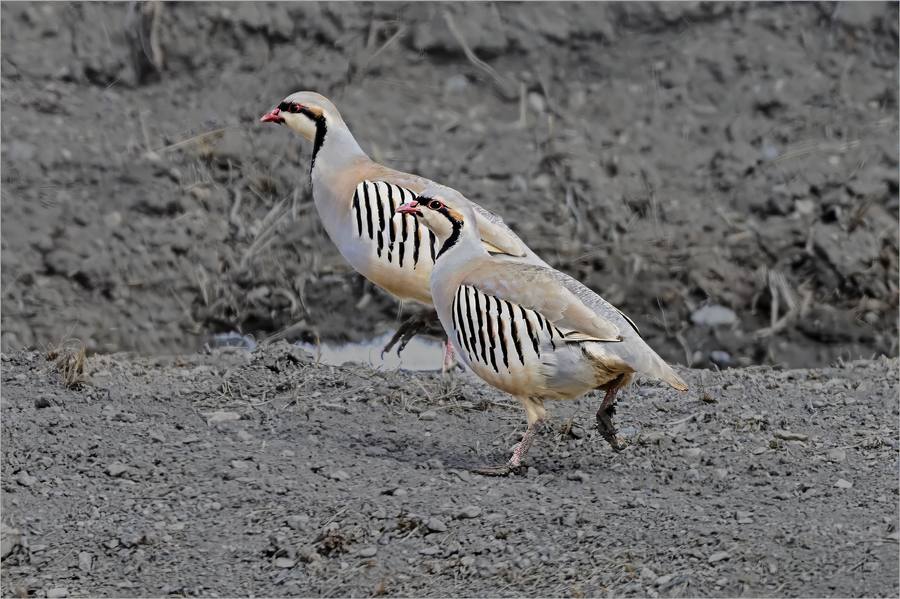
Chukar Partridge
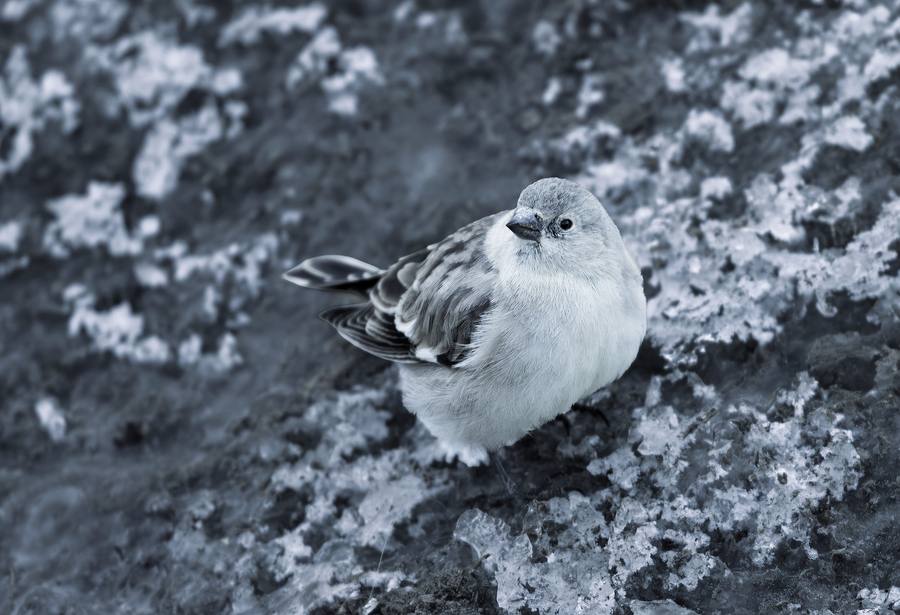
Plain Mountain Snowfinch
Getting There: Chandigarh to Spiti
Most Spiti wildlife trips begin in Chandigarh, the nearest major airport and railhead, followed by two to three days on the road along the Hindustan–Tibet Highway before reaching Kibber.
Why Rampur and Tabo Matter
Kibber sits above 4,200m. Driving there directly from Chandigarh's 300m in one push is a reliable way to end up with altitude sickness instead of a sighting. Rampur and Tabo break the climb into stages, each a significant elevation gain over the last, giving your body time to adjust. Treat both as genuine rest points — hydrate, skip the alcohol, and resist pushing straight through even if the road looks clear.
How Long to Plan For
For a real shot at sightings — not just a drive-through — plan on 9 to 11 days door to door: two to three getting in via Rampur and Tabo, four to five full days tracking around Kibber, and a similar allowance coming back. Weather here shifts fast, so a buffer day or two protects your tracking time without wrecking the schedule.
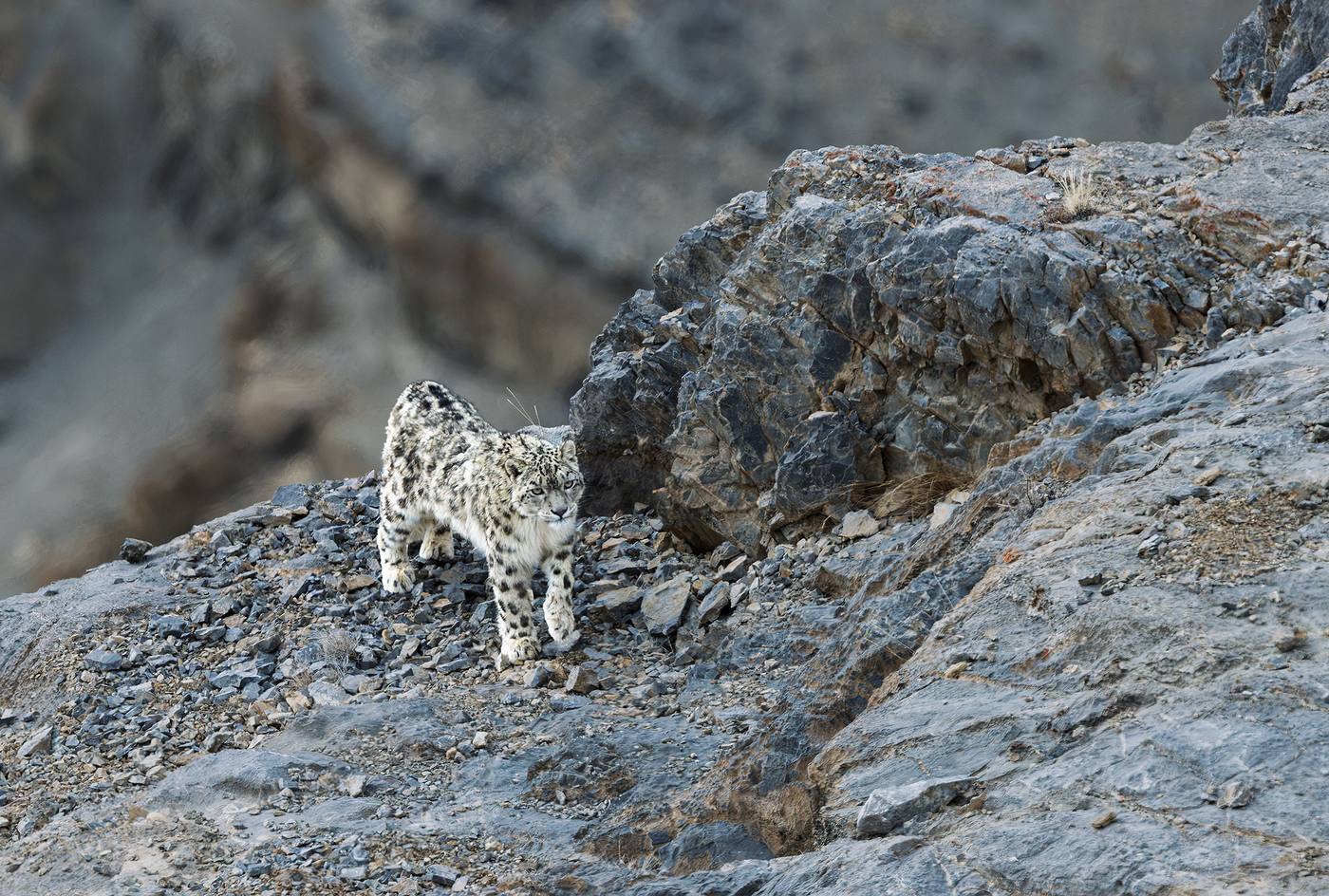
Snow Leopard, Spiti Valley
Ready for Your Own Spiti Valley Snow Leopard Trip?
From the drive out of Chandigarh to the mornings glassing Kibber's slopes, I'll help you plan every stage of a Spiti wildlife trip built around real sightings.
Plan Your Spiti Trip